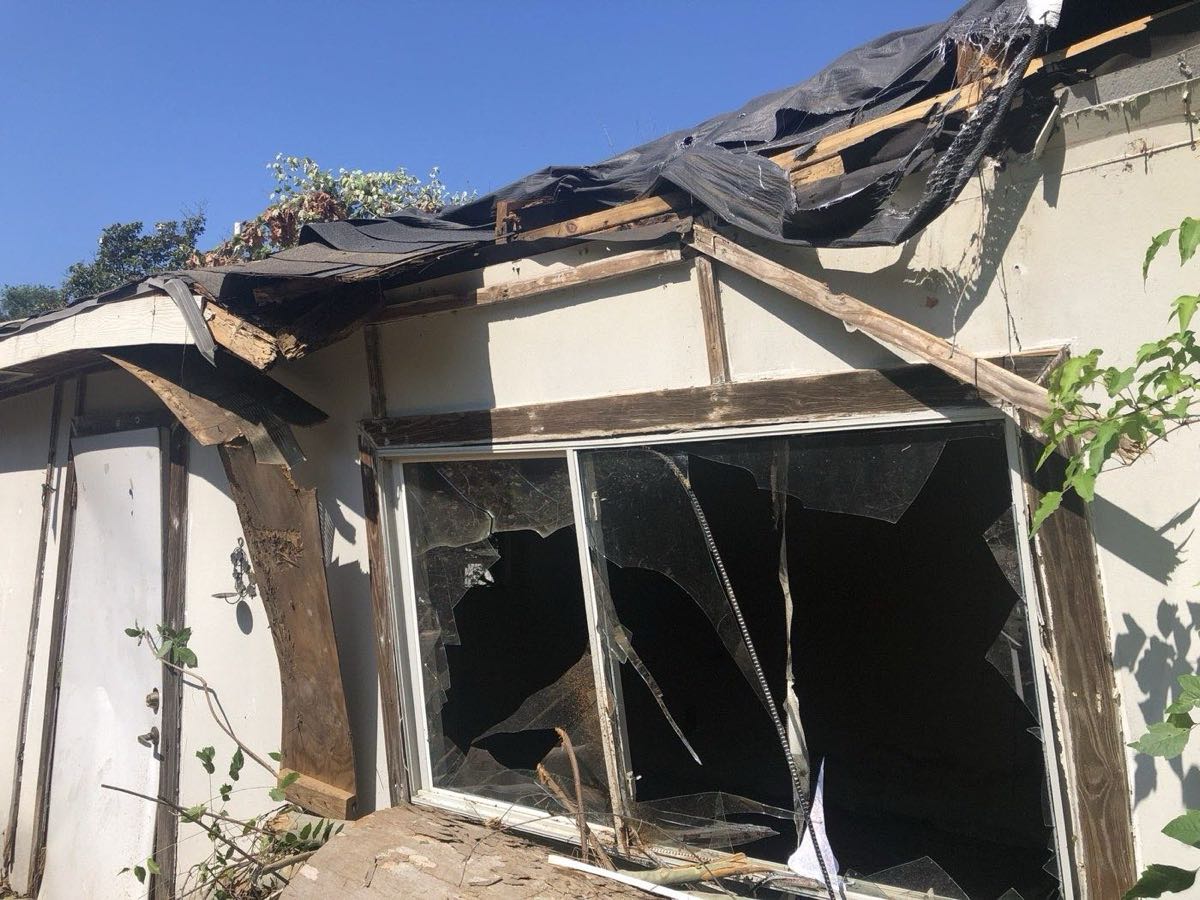
Wind Damage Roof Repair in Houston
High wind does its damage quietly. It lifts shingles, breaks the seal strip, and lets them settle back down, so the roof looks fine from the street while water is already finding the nail line. AttarCo Homes inspects wind-hit roofs free, documents the damage to insurance standards, and handles the claim end to end — most insurance-funded customers pay only their deductible.
What Wind Actually Does to a Houston Roof
Wind rarely takes a roof off. It takes the seal off — and an unsealed shingle is a leak waiting for the next storm.
Lifted and creased shingles
A gust lifts the tab, the adhesive strip breaks, and the shingle creases along the nail line. It lies flat again afterward. From the ground it looks untouched; on the roof it folds back by hand.
Missing shingles and ridge caps
Ridges, hips, and eaves take the highest uplift. Caps and edge shingles go first, exposing the nails and underlayment beneath them.
Flashing worked loose
Wind flexes the roof enough to back nails out and lift flashing at chimneys, walls, and vents — the places most leaks start even in calm weather.
It starts at the edges
Damage concentrates on the windward edge and corners, where the first course is held by its seal alone. One failed row lets the wind under the next.
Why the Wind Speed Matters
We check the gust reports after every storm. The number tells us which roofs to look at first.
Shingles carry a wind rating. Standard three-tab shingles are rated to roughly 60 mph; architectural shingles to 110–130 mph when properly sealed. Those are the numbers for a new, fully bonded roof. An older roof whose adhesive strips have dried out in Gulf Coast heat fails well below its rating, which is why a 60 mph gust that leaves a five-year-old roof alone can strip a fifteen-year-old one.
After a storm we read the National Weather Service gust reports for the neighborhoods we serve. When an area has seen gusts of 60 mph or more, we expect wind damage on older roofs there, and we say so. If your ZIP code took that kind of wind, request the free inspection even if nothing looks wrong from the driveway — creased shingles do not show from the ground.
The same report matters to your claim. Wind is a named peril on nearly every Texas homeowners policy, many policies carry a separate wind and hail deductible of one to two percent of the dwelling coverage, and the recorded gust establishes the date of loss your insurer will ask for. Coastal counties may fall under a TWIA windstorm policy instead; the documentation standard is the same.
The Wind Claim, Handled End to End
Free wind damage inspection
We walk every slope, lift and photograph creased shingles, and note the gust report for your area and the storm date, the way adjusters expect to see it.
You file, we support
You open the claim with your carrier; we supply the documentation and meet the adjuster on your roof so creased shingles are not written off as wear.
Repaired or replaced, honestly
A few lifted shingles on a sound roof is a repair, and we quote it as one. Damage across several slopes on an aging roof is a replacement, usually funded by the claim minus your deductible. Texas law (HB 2102) makes waiving that deductible illegal; anyone offering to is running the scam our contractor-vetting guide warns about.
Water coming in now? Emergency tarping comes first; the claim and the repair follow. Storm-chaser warning: after every Houston wind event, out-of-town crews blanket the affected streets. We have been here since 1985, and we will be here for the warranty.
Questions, Answered Straight
How do I know if wind damaged my roof?
From the ground: shingles in the yard, tabs lifted or flapping, a ridge cap missing, or a neighbour's roof being repaired after the same storm. From the roof: creased shingles whose seal strip has broken, which lie flat again and look fine from the street. That is what our free inspection documents, slope by slope.
What wind speed damages a roof?
It depends on the shingle and its age. Standard three-tab shingles are rated to roughly 60 mph; architectural shingles to 110 to 130 mph when properly sealed. An older roof whose seal strips have dried out fails well below its rating. When the National Weather Service reports gusts of 60 mph or more in your area, we recommend an inspection even if nothing looks wrong.
Does homeowners insurance cover wind damage in Texas?
Wind is a named peril on nearly every Texas homeowners policy. Many policies carry a separate wind and hail deductible, usually one to two percent of the dwelling coverage, and coastal counties may fall under a TWIA windstorm policy instead. The storm date matters: the recorded gust report establishes the date of loss, so document promptly.
A few shingles blew off. Do I need a whole new roof?
Often not. A handful of lifted or missing shingles on an otherwise sound roof is a repair, and we will quote it as one. Replacement comes into the conversation when damage spans several slopes, the shingles no longer seal, or the roof is near the end of its life. We tell you which it is and why.
How soon should I act after a wind storm?
Quickly. An open seam lets the next rain in, and Texas policies limit how long after a storm you can file. If water is coming in now, call for an emergency tarp; otherwise request the free inspection within days, not months.
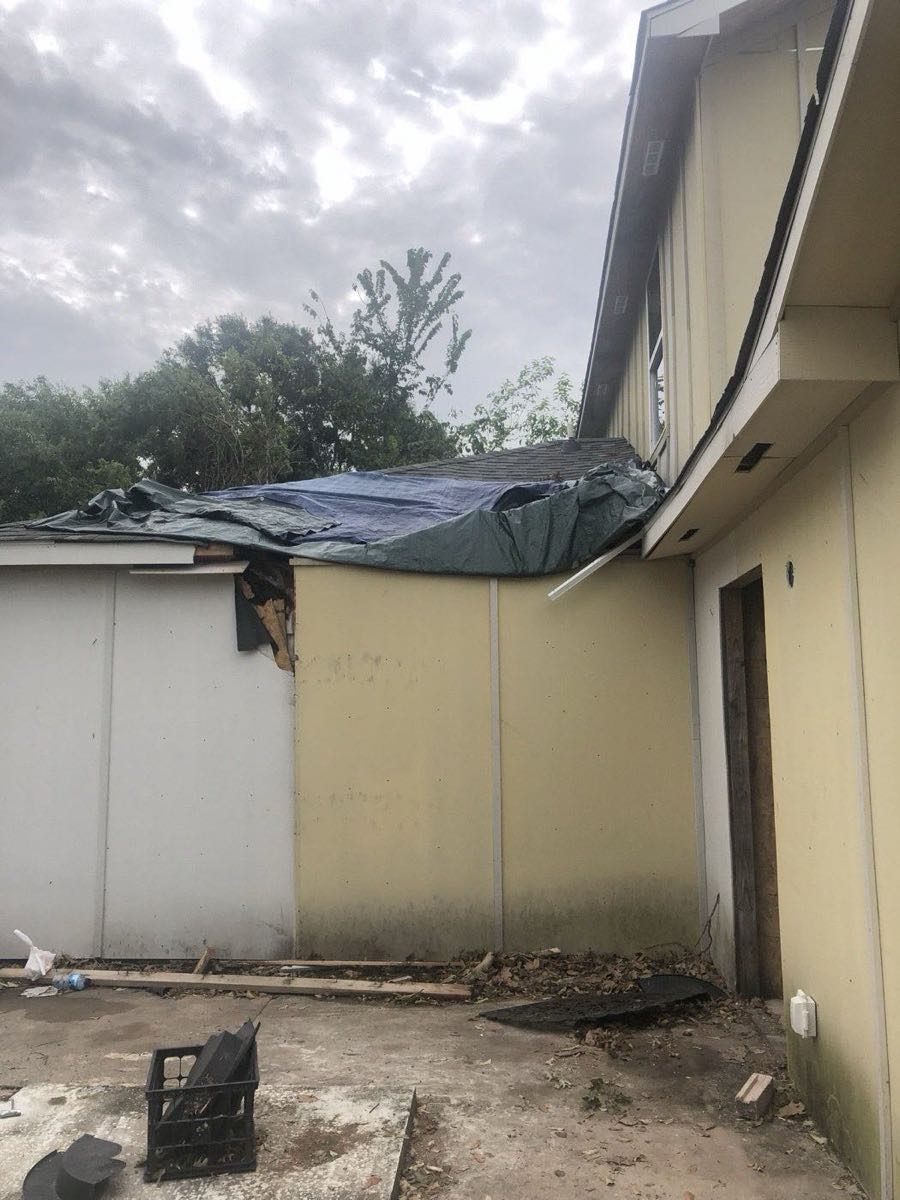
Took Wind? Get It Looked At, Free.
Send a few roof photos from the yard with our two-minute quote form and you'll have a real roof repair quote by the end of the next business day — or call or text (281) 686-9227 and we'll come out and look. See the proof first — browse our completed Houston projects.